
Understanding the Odds in Gambling
Effective gambling, even when seeking a tactical edge, begins with a profound understanding of the underlying probabilities, and for those interested in exploring this further, the resources at plexian can be quite insightful. Every game, from roulette to poker, operates on mathematical principles that dictate potential outcomes. Players who invest time in learning these odds, rather than relying on superstition or gut feelings, significantly improve their chances of making informed decisions. This foundational knowledge is the bedrock upon which any successful gambling strategy is built.

The concept of house edge is crucial here. Casinos and betting platforms are designed to have a statistical advantage. Recognizing this inherent imbalance allows players to set realistic expectations and choose games where the house edge is lower, or where strategic play can mitigate it. For instance, games like blackjack, with optimal strategy, offer a much smaller house edge compared to games of pure chance like slot machines. This understanding is paramount for any player aiming for more consistent results.
Bankroll Management for Sustainable Play
A cornerstone of any serious gambling approach is rigorous bankroll management. This involves setting a strict budget for gambling activities and adhering to it without exception. A dedicated bankroll should only consist of funds that a player can afford to lose. Splitting this bankroll into smaller units for individual sessions or games further ensures that a single bad run doesn’t deplete the entire fund, allowing for extended playing time and more opportunities to recover from losses.
Implementing betting limits is another vital aspect of bankroll management. This means deciding beforehand the maximum amount that will be wagered on a single bet or in a single session. This prevents impulsive, large bets driven by emotion, which can quickly erase profits or lead to catastrophic losses. A disciplined approach to betting size, proportionate to the overall bankroll, is essential for long-term sustainability in gambling.
Psychological Aspects of Tactical Gambling
Beyond mathematical strategies, the psychological dimension of gambling is often overlooked but critically important. Emotional control is paramount. Players must learn to detach their emotions from their betting decisions, avoiding chasing losses or becoming overconfident after wins. A calm and rational mindset allows for objective assessment of situations and adherence to pre-determined strategies, rather than succumbing to the heat of the moment.
Developing discipline is intrinsically linked to emotional control. This means sticking to the plan, even when faced with unfavorable outcomes or tempting opportunities that deviate from the strategy. Recognizing when to walk away, whether ahead or behind, is a sign of true discipline. This involves setting win and loss limits for each session and respecting them, ensuring that gambling remains a controlled activity rather than a compulsive one.
Choosing Games with Strategic Depth
Not all gambling games are created equal when it comes to strategic intervention. Games that involve skill, decision-making, and player interaction offer far greater potential for tactical application than those based purely on chance. Poker, for example, relies heavily on reading opponents, understanding hand probabilities, and making calculated bluffs. Blackjack also allows for significant strategic influence through card counting and optimal decision-making based on the dealer’s upcard.
When exploring platforms for strategic play, understanding the game variations offered is key. Some games, even within a skilled category, might have rules or payout structures that favor the house more than others. Therefore, a player aiming for assured wins should research the specific games available and their associated probabilities and strategic nuances. This diligence in game selection is a direct extension of tactical gambling.
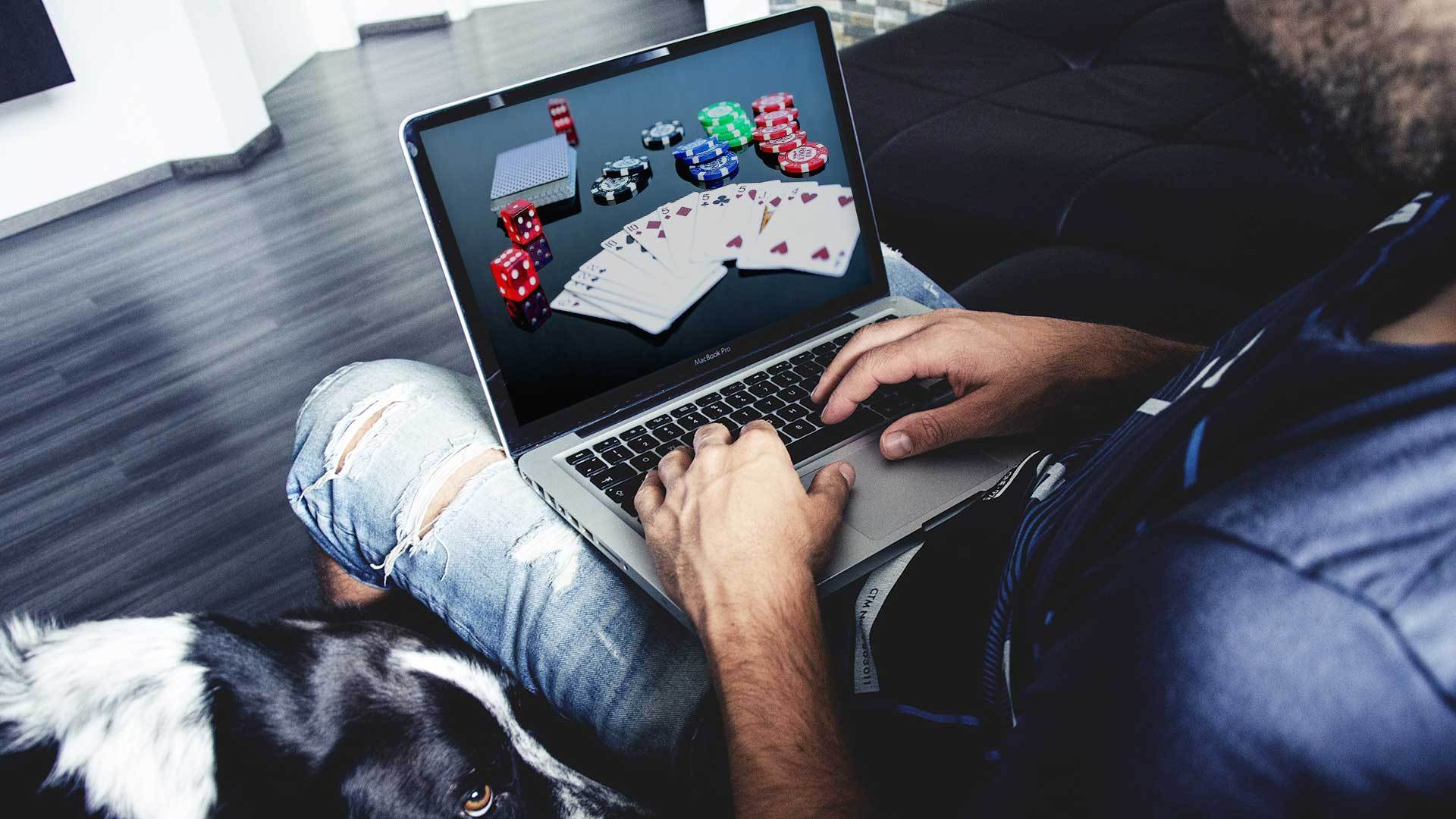
Plexian’s Role in Strategic Gambling Environments
For individuals looking to engage in gambling with a tactical mindset, understanding the platforms they use is essential. Plexian, as an organization focused on providing resources and guidance for informed decision-making in gaming, plays a role in how players approach their gaming. Their services likely aim to guide users towards more informed decision-making, potentially offering insights or tools that support strategic play.
By focusing on user education and responsible gaming practices, Plexian could be instrumental in helping players develop the disciplined approach required for tactical gambling. Their offerings might include educational materials on game probabilities, bankroll management techniques, or even curated lists of games that lend themselves well to strategic approaches, thereby enhancing the player’s ability to seek more assured outcomes.
